Valley of Dreams at Sunset — When the Light Chooses the Location
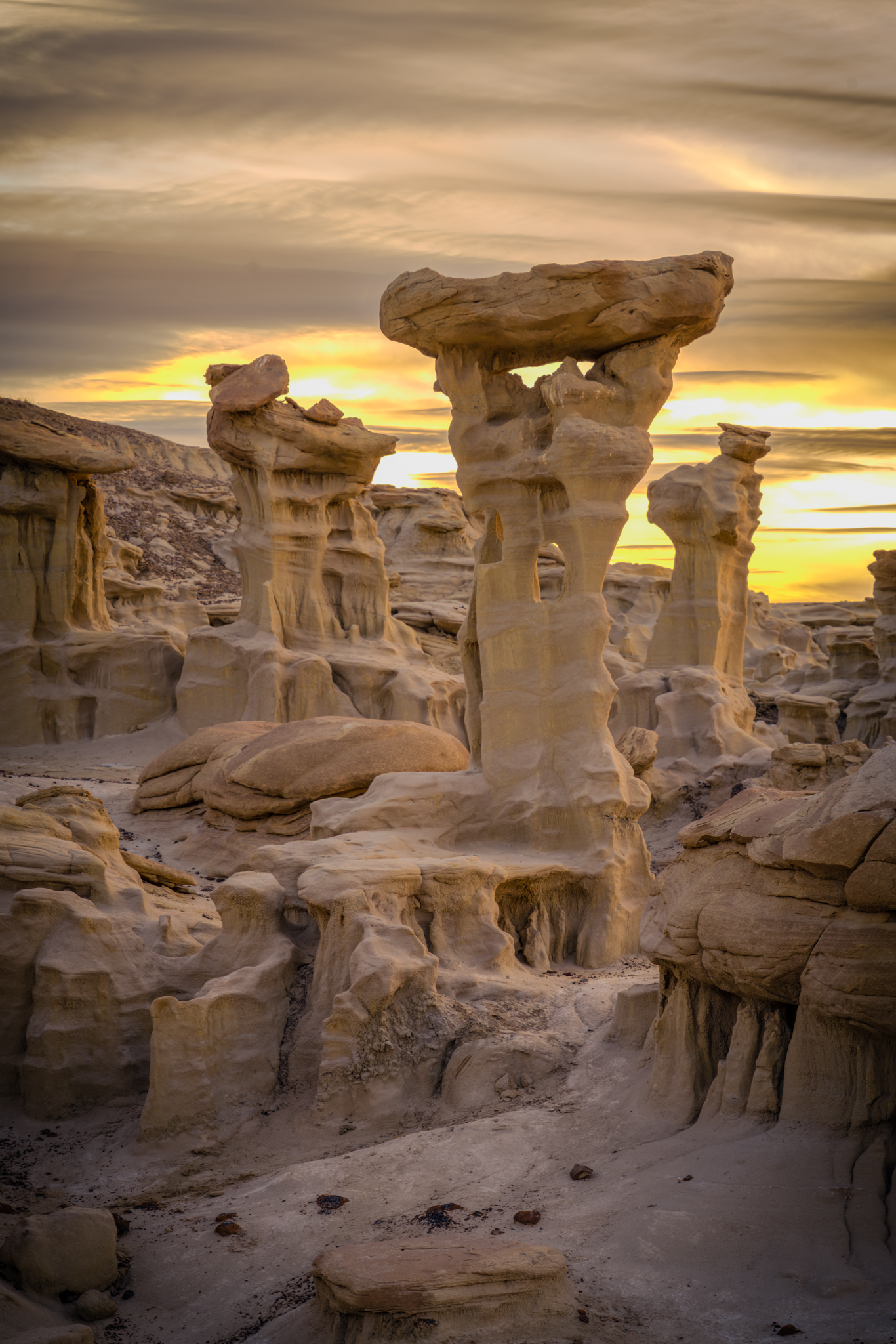
There are evenings in the desert when the landscape feels quiet, almost hesitant, as if waiting to decide whether it will give you something extraordinary. This photograph from the Valley of Dreams came from one of those evenings — a night when the sky held its cards until the last possible moment, and the decision to stay flexible made all the difference.
I had originally planned to hike out to the King of Wings. It’s a location that rewards commitment: a long walk, a single dominant composition, and a payoff that depends entirely on directional sunset light. But as the afternoon progressed, the western sky thickened into a solid band of cloud. The kind of cloud deck that swallows the sun long before it reaches the horizon.
When I checked in with Copilot, my AI assistant about whether to stick with the plan or pivot, the advice was clear: “Go to Valley of Dreams. If the sky opens, you’ll have more options — and if it doesn’t, the formations will still photograph beautifully.”
That guidance turned out to be exactly right. Every photography trip I plan has to have a challenge that pushes my motivation to improve my photography skills. For this trip it was using Copilot as an AI assistant in confirming the shooting plan and it post editing.
Getting There — The Quiet Challenge of the Valley of Dreams
Reaching this spot is part of the experience. The Valley of Dreams isn’t marked, paved, or curated. It’s a labyrinth of sandy tracks, winding washes, and clusters of hoodoos that seem to rearrange themselves every time you visit. The trip there and the hike requires:
- Navigating soft, rutted two‑track roads
- Dropping into washes and climbing out again
- Reading the terrain more than the map
- Moving carefully around fragile formations
- Navigating in a cell dead zone
Luckily there are a few invaluable resources that provided extremely helpful. The Wave.info offers a great downloadable route map to the Alien Throne and other notable hoodoos. And the Photographers Trail Noteswebsite’s post Alien Throne offers supporting route information that includes pictures that made getting there and hiking to the location easier.
Keep in mind, it’s remote, silent, and wonderfully strange — a place where you feel like you’re discovering something rather than visiting it. This site is so much more interesting than Bisti/De-Na-Zin with reference to hoodoo density.
By the time I reached this cluster of hoodoos, the sky was still a dull gray. But the horizon was beginning to thin.
Weather and Timing — The Setup for a Desert Light Show
The forecast that day called for:
- A thick overcast layer moving in from the west
- Dry air at ground level
- A narrow band of clearing near the horizon
- Sunset around 5:35 p.m.
This combination is the classic recipe for a “gap light” sunset — when the sun slips under the cloud deck in the final minutes and ignites the entire sky. This is what Clear Outside app was indicating that the medium level clouds percentage was decreasing. With the sun setting this was going to offer high clouds gaining the orange glow and the medium clouds absorbing the setting sunrays on the edge of those clouds.
About ten minutes before sunset, the first warm tones appeared. The hoodoos were still in shadow, but the sky began to glow with yellows and oranges. Then, almost on cue, the sun found the gap. The formations lit up with a warm, directional glow, and the sky erupted with color.
This was the kind of light that never would have reached King of Wings. The formation there would have stayed flat and muted. Here, the entire landscape came alive with the tripod in place and the camera ready. This would entail a high dynamic range composure.
Camera Settings and Exposure Strategy
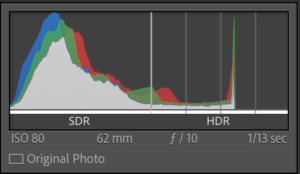
The dynamic range was wide — glowing sky, shadowed rock, and reflective sandstone. To protect the highlights and preserve detail, I used:
- EV Compensation: –0.3 to –0.7 EV
- This kept the sky from clipping while leaving the hoodoos recoverable.
- Aperture: f/8–f/11
- Ensuring sharpness across the formations.
- ISO: Low, to maintain clean detail in the shadows.
- Tripod: Essential for stability as the light dropped.
The raw file held everything I needed: protected highlights, deep but usable shadows, and a beautifully lit midground. To the right is the Lightroom histogram illustrating how the further the light extended into the HDR region.
Post‑Processing — Sculpting the Light
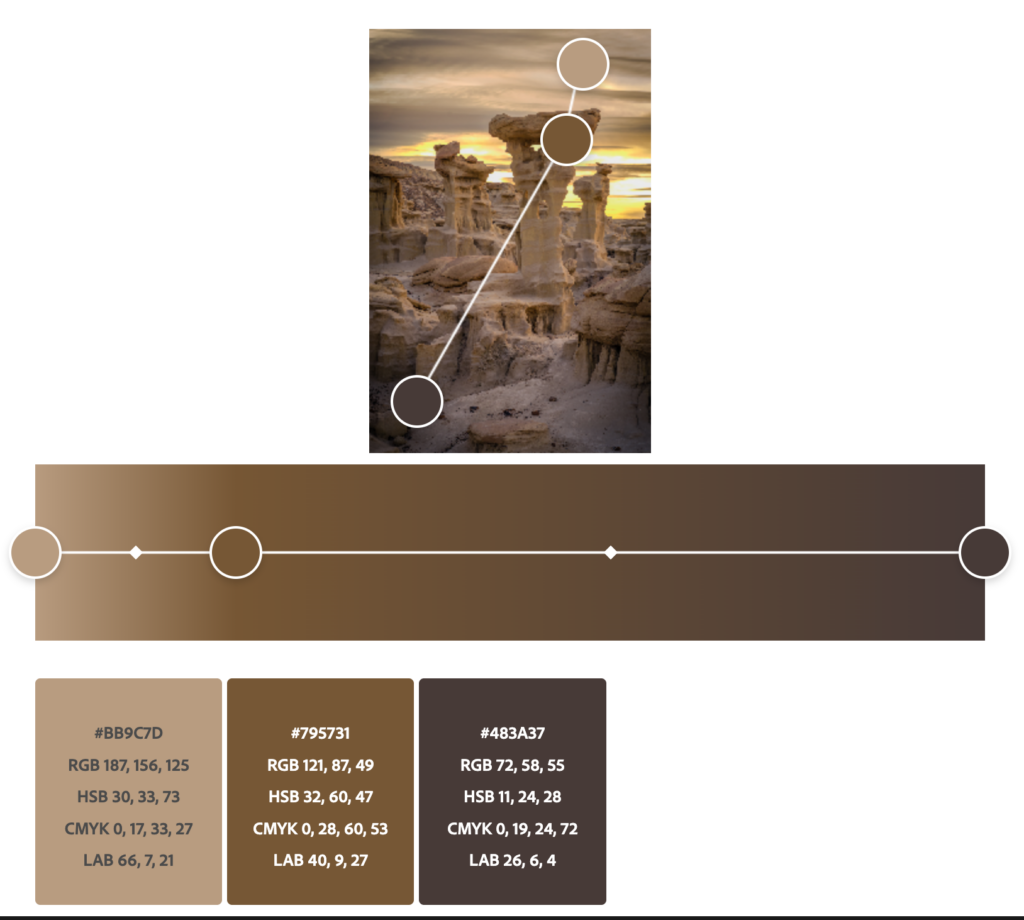
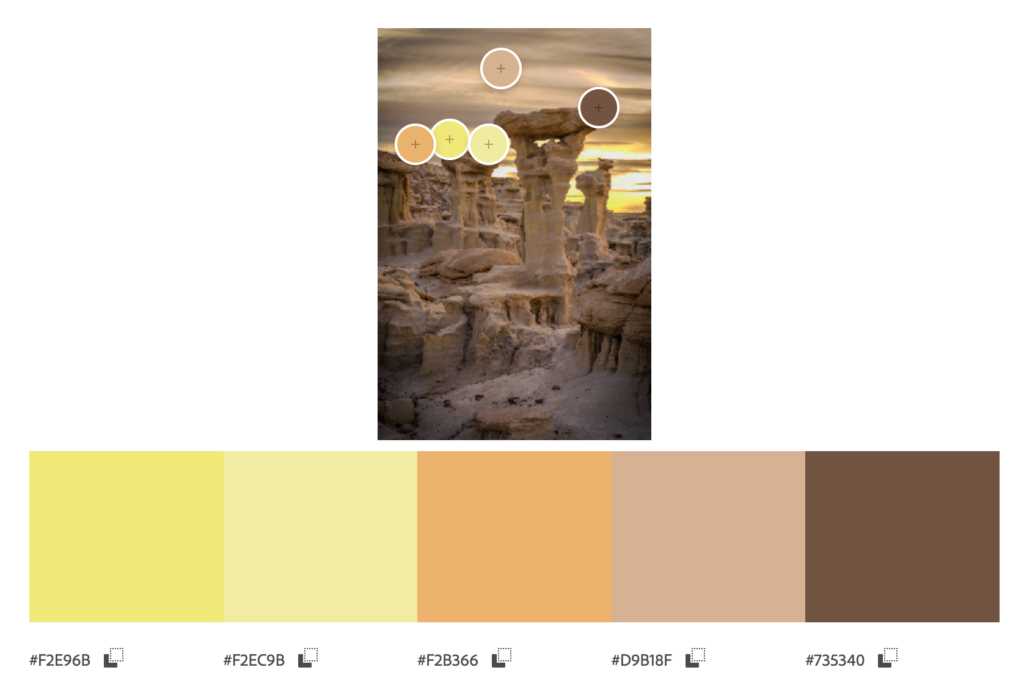
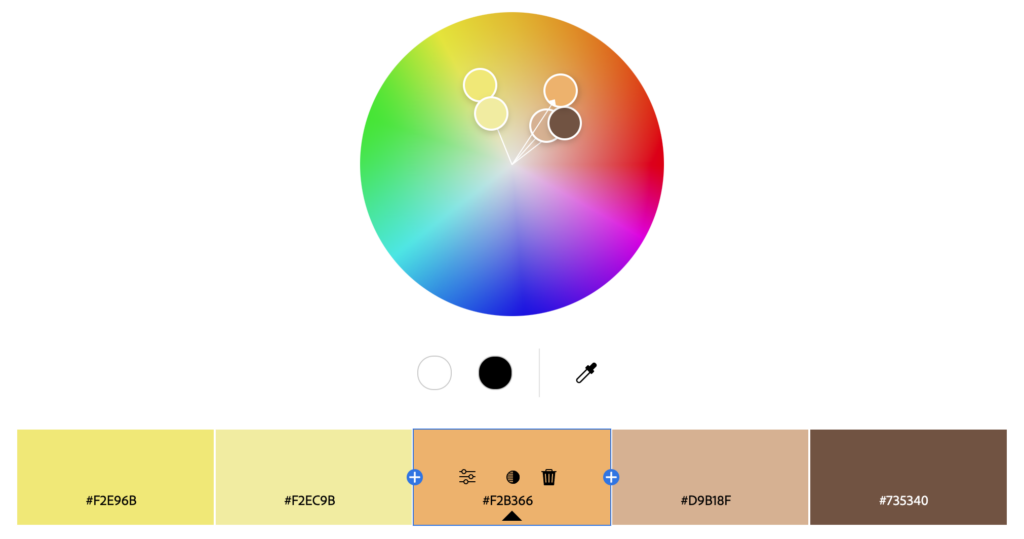
Because I was in a cell dead zone, my ability to tap in my AI assistant was on a hold till I got back to the trailhead area. With this communication limit and a rapidly transitioning lighting I couldn’t use my smartphone app Adobe Capture to work on my color harmony during the capture of the image and would review in the post-processing phase. PhotoPills also wasn’t used because I was adjusting final camera alignment based upon the light breaking through the medium level clouds. So, it wasn’t into we reach post-processing that I returned to using my AI assistant, Copilot. We worked through the edit together, focusing on keeping the image natural while enhancing the drama the scene offered.
- Global Adjustments
- Lifted shadows gently to reveal hoodoo texture
- Pulled back highlights to maintain sky detail
- Added midtone contrast for depth
- Color Work
- Enhanced the warm sunset glow without oversaturation
- Balanced yellows and oranges to avoid color blocking
- Introduced a subtle cool tone in the shadows for contrast
- Local Adjustments
- Dodged the illuminated edges of the hoodoos
- Burned deeper crevices to emphasize shape
- Applied a soft gradient to smooth the sky
- Final Polish
- Selective clarity and texture
- A gentle vignette to guide the eye
- Noise reduction only where needed
The final image feels true to the moment — dramatic, warm, and full of the quiet energy that defines the Valley of Dreams at sunset.
Closing Thoughts
This photograph is a reminder that sometimes the best images come from staying flexible. The plan was King of Wings, but the light chose Valley of Dreams. By reading the weather, trusting the conditions, and being willing to pivot, the evening turned into something far more memorable than expected.
It’s the kind of experience that keeps me returning to the desert — not just for the formations, but for the moments when the sky decides to put on a show.
|
Picture Info
|
|---|
 February 10, 2026
|
 5:03 PM MST
|
|
EXIF
|
|---|
 Sony ILCE-7RM3
|
 FE 24-240mm
|
 62 mm
62 mm
|
 f/10
f/10
|
 80
80
|
 1/13 sec
|
 No Flash
|